Medical Coding in Healthcare: 7 Powerful Tips for Better Billing
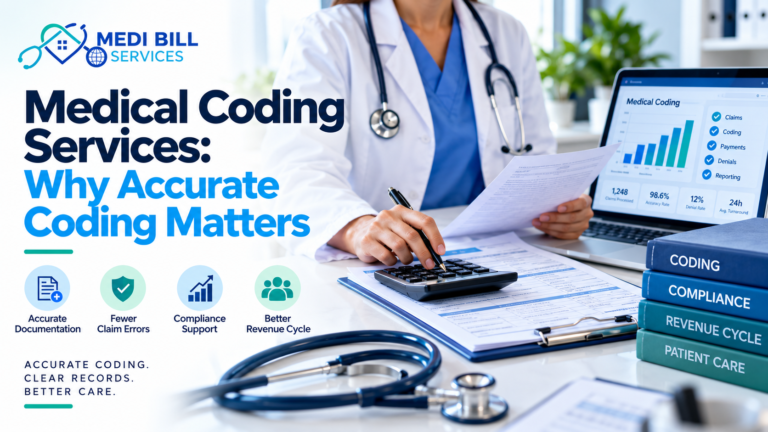
Medical coding is an essential part of the healthcare billing process. It converts information from patient medical records into standardized codes that communicate diagnoses, procedures, and services provided during a healthcare visit.
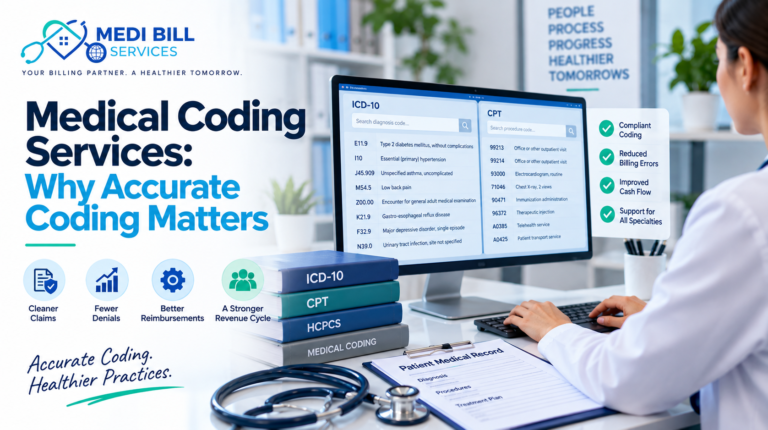
Accurate medical coding helps healthcare providers prepare complete insurance claims, maintain organized records, and support appropriate reimbursement. Incorrect or incomplete coding, on the other hand, can lead to claim rejections, denials, payment delays, and additional administrative work.
In this guide, we will explain how medical coding works, why it matters, common coding challenges, and best practices healthcare providers can follow to improve coding accuracy.
What Is Medical Coding?
Medical coding is the process of translating clinical information from medical records into standardized alphanumeric codes.
These codes represent diagnoses, medical procedures, services, and other healthcare information. They help healthcare providers, insurance companies, and other organizations communicate consistently about the care delivered.
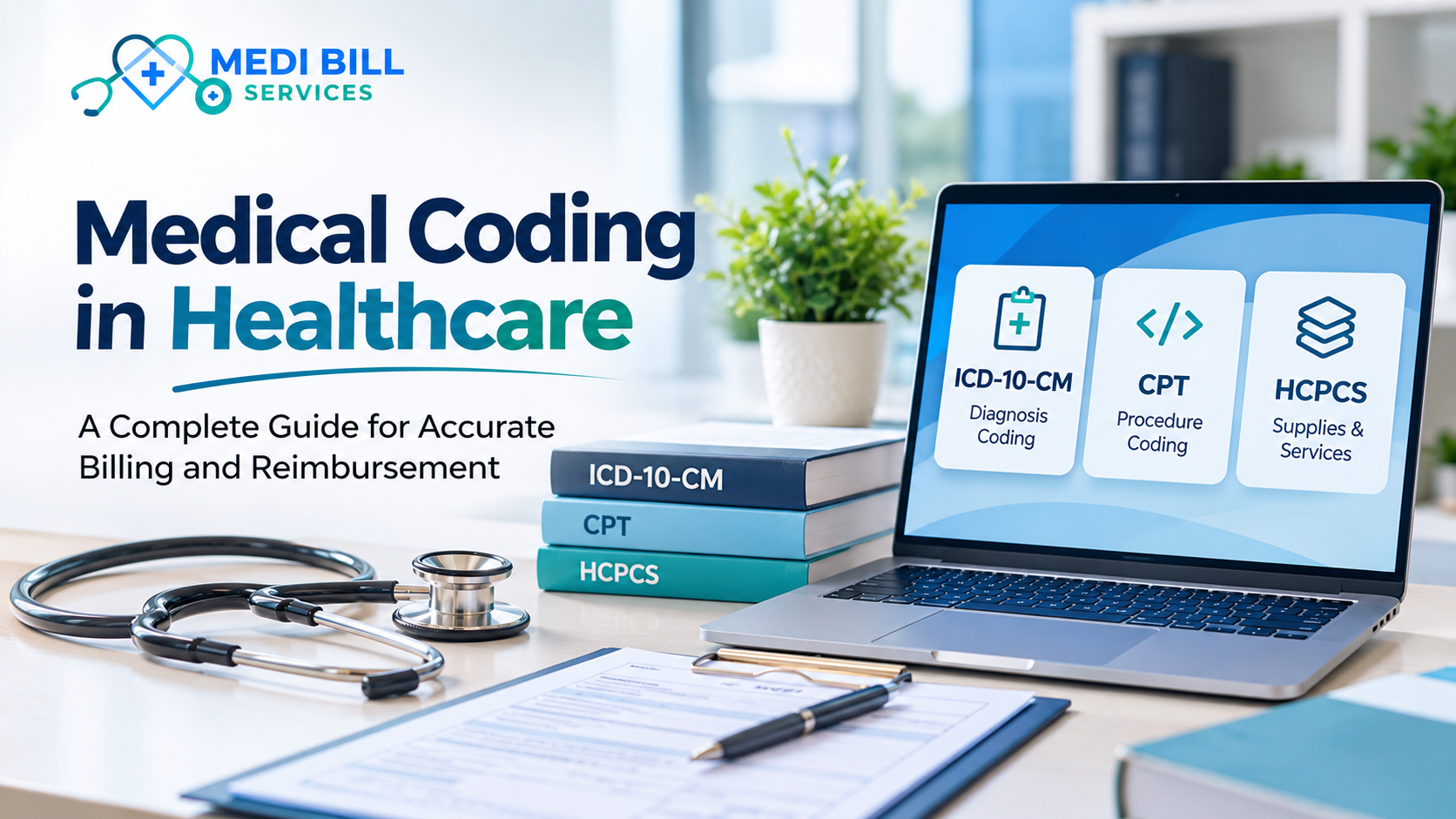
In the United States, common medical coding systems include:
- ICD-10-CM: Used to report diagnoses and medical conditions.
- CPT: Used to describe medical procedures and professional services.
- HCPCS Level II: Used for certain supplies, products, equipment, and services not fully represented by CPT codes.
Each coding system serves a different purpose. The appropriate code depends on the clinical documentation, applicable guidelines, and payer requirements.
Why Is Medical Coding Important?
Accurate medical coding supports several important healthcare and administrative activities.
Accurate Insurance Claims
Insurance claims must contain appropriate diagnosis and procedure information. Correct coding helps communicate why a service was provided and what treatment or procedure was performed.
Better Reimbursement Processes
Coding information plays an important role in determining how claims are processed by insurance companies.
Accurate codes supported by complete documentation help reduce avoidable billing problems. However, correct coding does not guarantee payment because reimbursement also depends on coverage, medical necessity, payer rules, and contractual requirements.
Reduced Claim Denials
Incorrect codes, missing modifiers, and unsupported diagnoses can create claim processing issues.
Following coding guidelines and reviewing documentation before submission can help reduce preventable errors.
Organized Medical Records
Standardized codes make it easier to organize and retrieve information about diagnoses and healthcare services.
They also support reporting, record management, and communication between healthcare professionals and administrative teams.
Support for Healthcare Reporting
Medical codes are used in healthcare reporting and analysis. Accurate coding helps organizations maintain more reliable information about patient conditions, services, and healthcare activity.

Common Types of Medical Coding
Different coding systems are used for different purposes in healthcare billing.
ICD-10-CM Coding
ICD-10-CM stands for International Classification of Diseases, Tenth Revision, Clinical Modification.
It is used in the United States to report diagnoses, symptoms, and medical conditions.
For example, a healthcare provider documents a patient’s condition, and the coder reviews the documentation to identify the appropriate diagnosis code.
The selected code must accurately represent the documented condition and follow applicable coding guidelines.
CPT Coding
CPT stands for Current Procedural Terminology.
CPT codes describe medical procedures and professional services performed by healthcare providers.
These codes help communicate what service was provided during a patient encounter.
Selecting the correct CPT code requires understanding the procedure, reviewing clinical documentation, and following current coding guidance.
HCPCS Coding
HCPCS stands for Healthcare Common Procedure Coding System.
HCPCS Level II codes are used for certain medical supplies, equipment, products, and services.
These codes are particularly important when billing items or services that are not fully represented by CPT codes.
How Does the Medical Coding Process Work?
Medical coding follows a structured process that begins with clinical documentation.
Reviewing Patient Documentation
The coder first reviews the patient’s medical record, including relevant clinical notes, diagnoses, procedures, and supporting information.
The documentation provides the basis for selecting appropriate codes.
Identifying Diagnoses and Procedures
The coder identifies the conditions and services documented by the healthcare provider.
Each diagnosis or procedure must be supported by the medical record and applicable coding rules.
Selecting Appropriate Codes
The coder consults the relevant coding system and guidelines to select the correct codes.
This may involve reviewing code descriptions, inclusion notes, exclusions, and other instructions.
Reviewing Modifiers and Additional Details
Some procedures require modifiers to communicate additional information about the service.
Modifiers should only be used when supported by the documentation and applicable coding guidelines.
Checking Coding Accuracy
Before the claim moves to billing, the selected codes should be reviewed for accuracy, completeness, and consistency with the clinical record.
Preparing the Insurance Claim
The billing team uses the coded information along with patient, provider, and service details to prepare the claim for submission.
Common Medical Coding Errors
Coding errors can affect claim processing and create additional work for healthcare practices.
Incorrect Diagnosis Codes
Selecting a diagnosis code that does not accurately represent the documented condition can lead to claim problems.
Best practice: Review the medical record carefully and select codes that are fully supported by provider documentation.
Incorrect Procedure Codes
A procedure code should accurately describe the service performed.
Best practice: Confirm the procedure details and consult current CPT or applicable HCPCS guidance before selecting a code.
Missing Modifiers
Some procedures require modifiers to explain specific circumstances related to the service.
Best practice: Review modifier requirements and ensure that each modifier is supported by the documentation.
Incomplete Clinical Documentation
Missing or unclear information can make it difficult to determine the correct code.
Best practice: Establish clear documentation procedures and request clarification from the appropriate provider when necessary.
Outdated Coding Information
Coding systems and guidelines can be updated. Using outdated information may result in incorrect code selection.
Best practice: Use current coding resources and provide regular training for coding staff.
Unbundling and Incorrect Code Combinations
Some coding rules require related services to be reported together rather than separately. Incorrectly reporting services can create billing and compliance concerns.
Best practice: Follow applicable coding instructions, including bundling edits and payer policies.
Best Practices for Accurate Medical Coding
Healthcare practices can improve coding quality by following consistent procedures.
Maintain Complete Clinical Documentation
Clinical documentation should clearly describe the patient’s condition, services provided, and relevant medical findings.
Accurate documentation gives coders the information needed to select appropriate codes.
Follow Current Coding Guidelines
Use current ICD-10-CM, CPT, and HCPCS guidance where applicable.
Review updates regularly and make sure coding staff understand changes that affect their responsibilities.
Provide Regular Staff Training
Medical coding requires specialized knowledge and ongoing learning.
Training should cover coding updates, documentation standards, payer requirements, and common coding errors.
Conduct Internal Coding Audits
Periodic reviews can help identify incorrect codes, documentation gaps, and recurring patterns.
When problems are found, practices should document the findings and establish appropriate corrective actions.
Use Appropriate Coding Software
Coding tools can help staff search code descriptions, review certain edits, and organize coding workflows.
Software should support accurate work rather than replace professional judgment and documentation review.
Communicate With Healthcare Providers
When clinical documentation is unclear, coders may need clarification from the treating provider through an appropriate process.
Clear communication helps ensure that reported codes accurately reflect the services and conditions documented.
Review Denial Trends
Billing teams should monitor claims denied for coding-related reasons.
Reviewing recurring issues can help identify where additional training, documentation improvements, or workflow changes are needed.
Medical Coding vs. Medical Billing
Medical coding and medical billing are closely connected, but they are not the same activity.
Medical Coding
Medical coding translates clinical documentation into standardized diagnosis and procedure codes.
Its main responsibility is to accurately represent the healthcare services and conditions documented in the medical record.
Medical Billing
Medical billing uses coding information and other claim details to prepare, submit, and manage insurance claims.
Billing activities may include claim submission, payment posting, denial management, and accounts receivable follow-up.
How They Work Together
Medical coding provides essential information for the billing process. When coding and billing teams communicate effectively, healthcare practices can maintain more organized claims and address potential errors earlier.
How Medi Bill Services Can Support Healthcare Providers
Medi Bill Services provides medical billing-related support for healthcare providers seeking assistance with billing workflows and revenue cycle activities.
Depending on the services selected, practices may seek support with claim processing, billing administration, denial follow-up, and accounts receivable management.
Healthcare providers should confirm available services and responsibilities before selecting a billing arrangement.
Explore the medical billing services page to learn more about available support. You can also visit the medical specialties page to review information relevant to different healthcare practices.
Conclusion
Medical coding is an important part of healthcare administration and medical billing. It helps translate clinical information into standardized codes that support claim preparation, record organization, and healthcare reporting.
Accurate coding depends on complete documentation, current coding guidelines, regular training, and appropriate quality reviews.
By maintaining consistent coding procedures and addressing recurring errors, healthcare practices can support more accurate billing workflows and better revenue cycle management.
Frequently Asked Questions
What is medical coding in healthcare?
Medical coding is the process of converting information from patient medical records into standardized codes that represent diagnoses, procedures, and healthcare services.
What are the main types of medical coding?
Common coding systems in the United States include ICD-10-CM for diagnoses, CPT for procedures and professional services, and HCPCS Level II for certain supplies, equipment, products, and services.
Why is accurate medical coding important?
Accurate coding helps healthcare providers prepare claims, maintain organized records, communicate services correctly, and reduce avoidable coding-related billing problems.
What is the difference between medical coding and medical billing?
Medical coding translates clinical information into standardized codes, while medical billing uses those codes and other claim details to prepare and manage insurance claims and payments.
How can healthcare practices improve medical coding accuracy?
Practices can maintain complete documentation, follow current coding guidelines, train staff regularly, conduct coding audits, and review recurring claim denial reasons.